
What is the Big Question?
How will I change a life?
What is the assessment task?
The task is to develop and implement a six week lifestyle intervention program to a client/s of personal choice. A dimension of health must be chosen as the focus of the program, with the aid of WordPress.com monitoring and documenting the journey of action and progress.
What is of personal interest to me?
Mental health is a shared facet of every individual; a combined reflection of our state of mind, physical health and emotional development.
Out of the five dimensions of health (physical, mental, social, spiritual and cognitive), the one that most interested me was the concept of mental and emotional health. Whilst a commonly discussed topic, the strategies and techniques required to conquer the darkness of our minds are still far from reach.
As of recently, however, many diverse strategies have recently been implemented to reduce the amount of work our brains have to deal with when facing challenges throughout the human lifestyle.

Methods
What research have we found so far? (include the research articles, URLs etc)
- TIME TO TUNE IN
“Music can be a powerful way to experience the present moment.”
– Maya Benattar, 2016

Music is life, that’s why our hearts have beats.
Life is guaranteed for its ups and downs. Unlike learning to drive for the first time, there are no secret U-turns to grant a shortcut to an easier path. Life isn’t short. It’s a process that’s meant to be complicated.
Studies have shown that stress can be a big ol’ bump in the road. In order to improve mindfulness to carefully avoid the bump, you need to stop feeling the need to swerve away from an obstacle.
Listening to music allows you to figuratively and literally ‘tune into your body’ (Benattar, 2016). An auditory addition to your lifestyle will maintain your focus, while simultaneously helping you to connect with music as a source of strength and creative energy. Music allows you to ‘reconnect with your body and relax’, whilst in turn can be a supportive origin of strength, comfort and reflection in times of lacking mindfulness (2016).
2. GET YOUR CREATIVE JUICES FLOWIN’
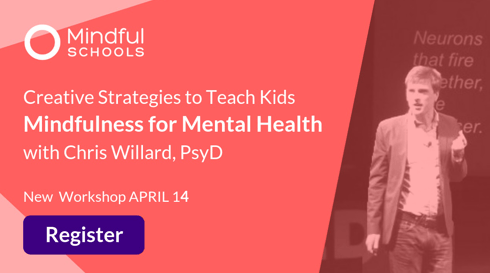
Educational workshop opportunities are both an informative and fun way to learn. On Sunday 15th April 2019, the ‘Mindful Schools’ Team enlisted the help of Dr. Christopher Willard, a well-known author, psychologist and faculty member of Harvard Medical School to host a 75 minute session that took a ‘deeper dive’ into ‘Mindfulness in Education’ (2019).
Participants should be prepared to learn through awareness, movement, games, play, writing, arts and creative activities for all ages; different practises will engage with different learning styles, for attention spans ranging from 30 seconds to 30 minutes.
“This practical workshop will focus on adapting mindfulness for individuals and groups, young and old, in therapeutic, educational, medical and other settings, all in order to encourage nurturing this trait into your daily life.” – 2019
Workshops taught by experts in the field are one of the more creative and exciting ways to positively approach improving your own mindfulness.
3. LET’S GET PHYSICAL
You may have guessed it, but this list would be incomplete without mentioning the popular methods of yoga and meditation. These practises include many benefits, such as increased flexibility and muscle strength, energy and boosts for athletic performances and protection from injury. However, meditation allows for a more ‘spiritual’ change of direction on your mindfulness journey.
Yoga can also be a discipline of physical, mental and spiritual ‘awareness’; originating in ancient India as one of the six orthodox schools of Hindu philosophical traditions (2019).
Websites for learning yoga have become the more modernised version of educational means for a physical activity in mindfulness. ‘Yoga Journal’, for example, is an American media company that publishes a yoga magazine, website, DVDs, tablet editions and hosts conferences devoted to modern yoga and related topics (Yj, 2019).
Exercise in general gradually improves the ability to have a positive approach to being mindful and improves your physical health as an added bonus.
4. PASSION ITSELF IS A HOBBY
“Passion is oxygen of the soul.” – Quotes

Finding hobbies you are interested in or appeal to you, can develop a more goal-oriented and enthusiastic character (2018). It allows you to explore social connections within a team or ‘network’ of friends and become more involved in something you enjoy doing. From the arts of dance, cooking, music and personal projects to the satisfaction of gaining a goal that leads to victory or lets you sprint that one little step a bit faster.
Hobbies make way for a comfortable sense of pride and keep you happy. Their appeal also makes them a great motivator.
5. IT’S EASIER TO RELAX

(Pinterest)
As we grow older, it becomes harder to allocate quality time to ourselves. As important as it is to confide in others and maintain positive relationships, sometimes it’s our connections that are what causes us to feel the need to be alone. It’s perfectly normal to want to be by yourself, since as much as we hate to admit it, interacting constantly really takes it out of us.
Because of a troublesome and chaotic group known as emotions, it’s easy for challenges and certain interactions to overwhelm us, no matter how hard our brain and heart try to communicate otherwise. It’s crucial to be able to identify when you feel uncomfortable, so as to be well prepared to maturely handle its next appearance.
Take time out to do simple activities, like walking around your neighbourhood, swim in your pool, read, take a nap, or bundle up under the covers with ice cream and popcorn to watch you favourite movie. It’s addicting, I know.
6. STAY SIMPLE. BREATHE.
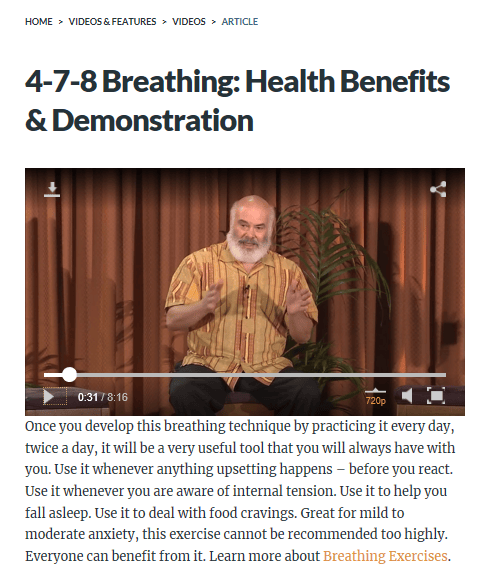
“It comes with time. It’s the regularity of doing it that counts, it’s not the intensity with which you do it or the amount of time you do it in one day, it’s the regularity of doing this over a number of weeks, months, years that produces the changes you want.”
Dr. Andrew Weil talking facts on the expectations of the 4-7-8 breathing technique and its end result for individual mindfulness, 2019.
See all of Dr. Weil’s videos here.
Using proper techniques to alleviate stress and the dedication towards the end result, proves that commitment is essential for growth and that mindfulness is worth it in the end.
7. STRUCTURED SCHEDULES SUPPLY SOLUTIONS



As we stated before on the welcome page, our brain acts as an inner calendar. A calendar that is VERY hard to ignore or forget. Developing organisational skills through the use of an actual calendar, phone reminder, or diary of some sorts, prepares you for changes and staying ‘on-top’ of things.
As the path to successful entrepreneurialism states, “Humans excel at finding patterns,” and organisation allows people to rely on their ability to find and identify important information (‘Reference’, 2019).
Heightening your skill as a pupil trained in the ancient ways of organisation, you’ll begin to find that you’ll someday rival the greatest of organisational experts.
8. YOU GOT A FRIEND IN ME (BE A FRIEND TO YOURSELF)

“First Love Yourself.”
Self care is how you take your power back.
– Lalah Delia
As any true Disney Pixar fan would know, a main moral message throughout the events that unfold during the Toy Story franchise, is the beloved saying, “You’ve got a friend in me.”
The message talks about the unconditional love and connection of a relationship, and how true friendships last a million internal lifetimes. It also references to self-love, an ability that many people struggling with lack of mindfulness do not possess.
“Love encompasses a range of strong and positive emotional and mental states,” (2019). It is a trait that allows for relationships to remain strong and associate good memories in the company of others who you care for and in return care for you.
From now on, wake up everyday with a smile. Tone down the inner critic, give yourself a compliment and take one step-or breath- at a time. Your friends, your family, and yourself, will be there for you for every chapter of your own ‘story‘.
9. TIME TO ADVANCE

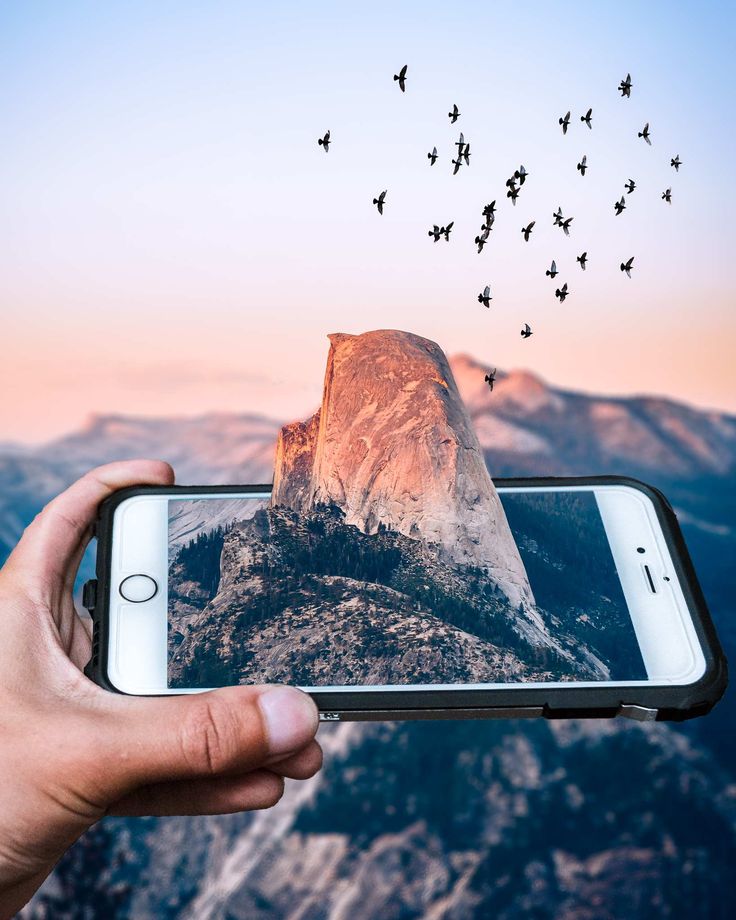
Society is advancing and as inhabitants, it’s likely we’ll have to change with it. Lifestyle will become busier, however, practical activities will become easier with the use of mobile apps.
In the 21st century, technology and humans have become ‘fixed at the hip’, or in other words, inseparable. Apps can freely structure our time and availability for certain activities. With the integration of reliable apps and companies, mindfulness has more of a chance at becoming second nature to you in our modernised world.
10. ASK THE EXPERTS
In case decision-making isn’t really your thing, absolutely consult with your doctor, an expert, or professional in mindfulness and well-being to help with solutions best suited to you! Everyone has a match. And we’re here to hopefully be yours.
URLS:
https://www.healthline.com/human-body-maps/brain#anatomy-and-function
https://synctuition.com/web/why-synctuition/
https://www.goodtherapy.org/blog/tuning-in-mindful-music-listening-to-reduce-stress-1011164
https://en.wikipedia.org/wiki/Yoga
https://www.betterhealth.vic.gov.au/health/healthyliving/wellbeing
https://www.drweil.com/videos-features/videos/the-4-7-8-breath-health-benefits-demonstration/
https://www.reference.com/business-finance/organization-important-3200545171ecd5c0


